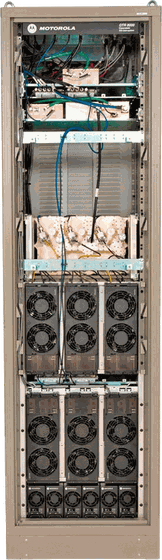
Platform
ASTRO 25
- P25 Phase 1 and Phase 2 trunking
- Single site through to simulcast
- Encryption and key management

Microwave and IP backhaul linking sites into one system, engineered for the availability the system is expected to hold. A link that drops takes a site with it, so the path and the redundancy are designed rather than assumed.
Nothing is bought here. Build a list and we come back with a written quote.
Sites have to be joined into one system, and that is done with microwave or IP backhaul. A link is not a detail. When it drops it takes a site with it, and a site down in the wrong place is a coverage hole during an incident.
We engineer the path properly, including the redundancy, and we monitor the links once they are in. Availability figures on a radio system are only ever as good as the weakest link in the backhaul that is carrying it.
Microwave or IP backhaul is decided by the path, the distance and what is already available to you. We engineer the route rather than defaulting to whichever is cheaper, because a link that drops takes the site with it and leaves a hole in coverage.
Redundancy belongs in the design rather than in a later upgrade. The question any link design has to answer is what happens when one path fails, and if the answer is that a site goes dark, the design is not finished yet.
The industries we supply the Site Links to, and how customers put it to work.
 Public SafetyView industry
 Local GovernmentView industry
 UtilitiesView industry
 TransportationView industry
 Oil and MiningView industry
Microwave and IP backhaul tie separate sites into one system, which is what makes wide-area coverage work.
A link that drops takes a site with it, so the design has to answer what happens when one path fails.
Availability is only as good as the weakest link, so backhaul is watched as closely as the radio itself.
Every model in the Infrastructure range side by side, so you can see where this one sits and what the others offer.
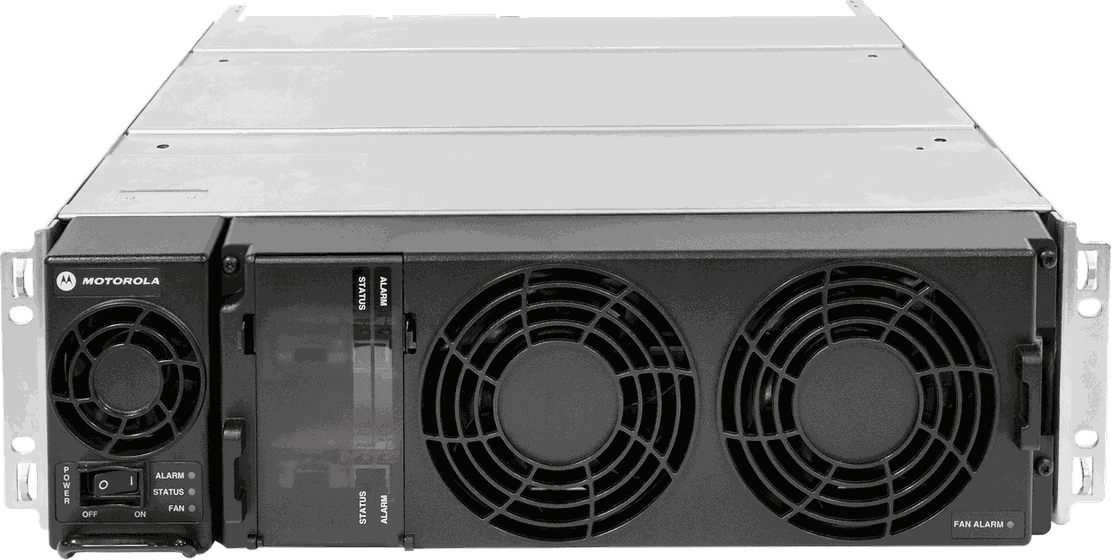
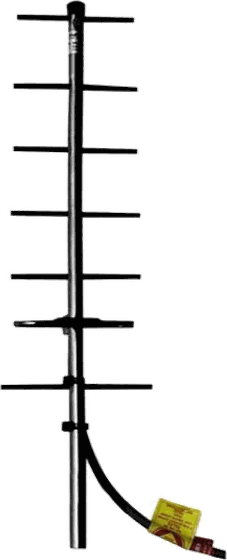
We measure coverage on site first, so what gets specified matches the building and the ground, not a guess.
Our own technicians mount, cable and commission the site, including the antenna, feeder and grounding work.
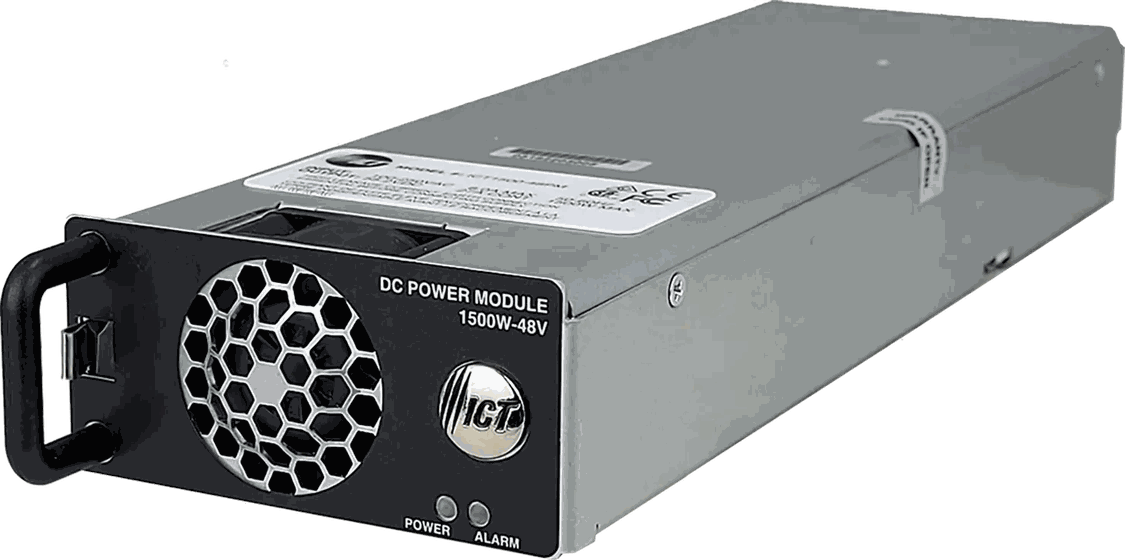
DC power plants with battery banks keep the site running through an outage rather than failing with the grid.
Scheduled service, remote monitoring and 24/7 response are written into the contract rather than left open.
What customers usually add alongside the Site Links, so the whole setup arrives on one quote.
Tell us how the radios will be used and we will recommend a tier rather than quoting the most expensive option on the list.