What We Specify
The equipment we most often put in front of this kind of agency. Each has a page of its own.
Systems built to still be working three days into a hurricane, with the power, links and spares that make that true.
Emergency management is the function that has to work when everything else has stopped. Power, cellular networks and normal routine all fail in the same event, which is precisely when coordination matters most to the people depending on it.
In South Florida that means hurricane season, and the test is simple. Does the system still work three days in. We design, power and maintain systems against that question rather than against an ordinary working Tuesday.
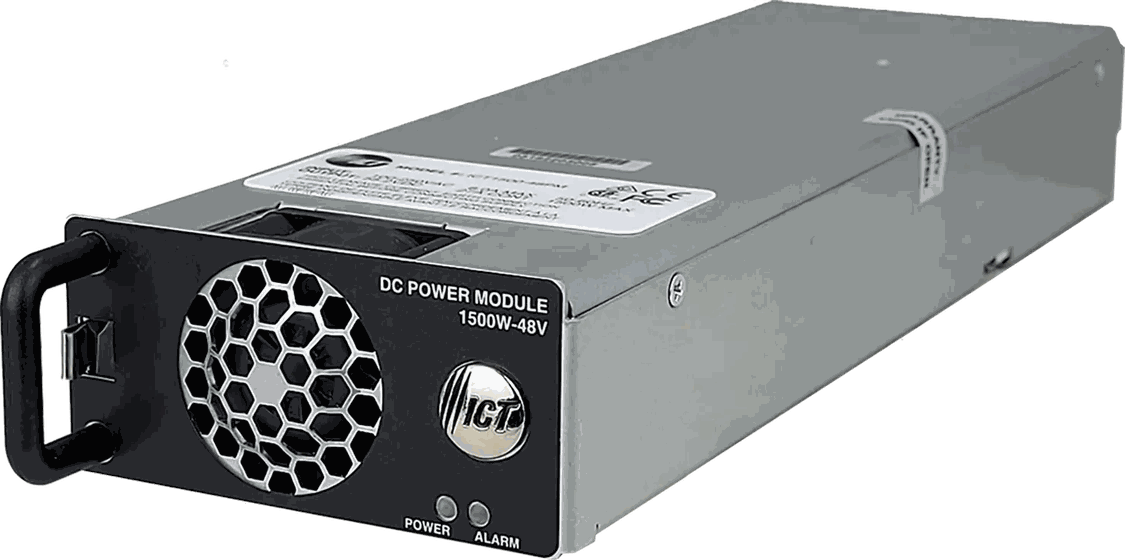
DC plant and battery banks are what keep a site transmitting after the power feeding it has already gone down.
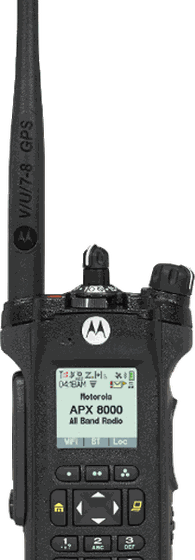
A coordinated response needs fire, EMS, police and public works on channels that were agreed before the event.
Temporary coverage, rental fleets and portable repeaters put communications wherever an incident has moved to.
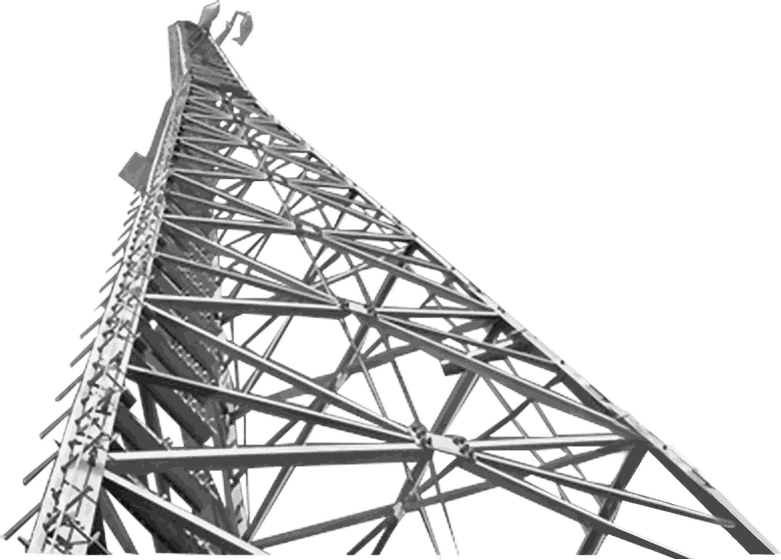
Towers, shelters and antenna systems engineered for the wind this region produces, not a generic loading figure.
Five steps, in order, with a document at the end of each one. Resilience is designed in at the start, not bolted on after the first storm.
The equipment we most often put in front of this kind of agency. Each has a page of its own.
These are the ones that govern emergency management communications. Every system we hand over is documented against them, so after-action reviews and grant applications start from paper that already exists.
How we design systemsMost of the emergency management systems we build are not paid for out of an operating budget. These are the paths offices usually take.
EMPG funds EOC equipment, communications and the planning work that goes with them, matched by state and local dollars.
State Homeland Security and Urban Area Security programs fund interoperable communications, usually through your county or state agency.
Capital plans, hazard mitigation funding after a declared event and multi-year leases that spread the cost across the years it serves.
Tell us what you run today and what it has to do. We design around that rather than around a catalog.