Public Safety

Mobile Radios

Vehicle radios for apparatus and patrol, installed cleanly, powered properly and serviced by the people who put them in.

Mobile Radios

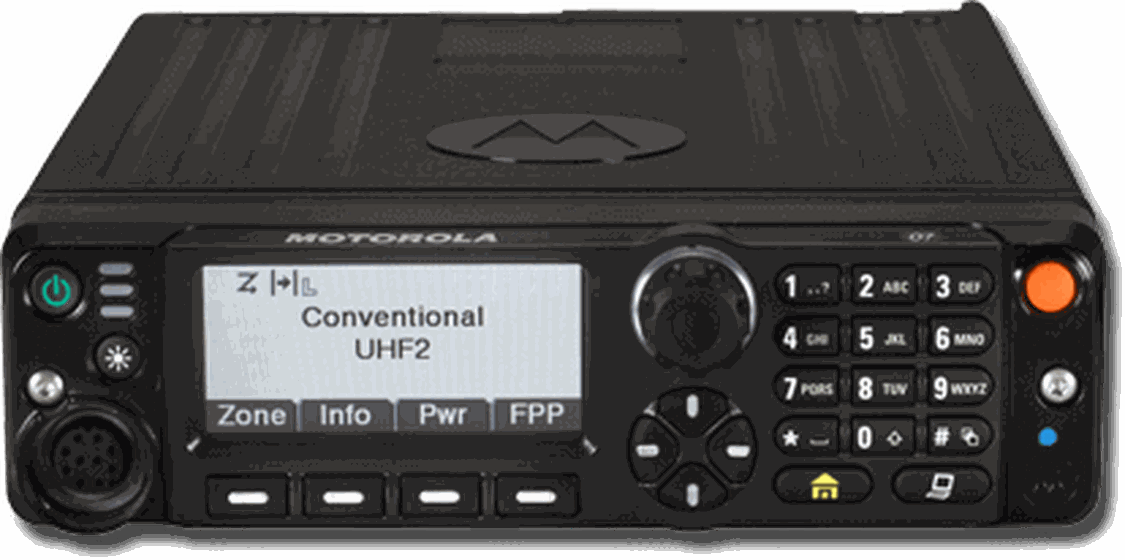
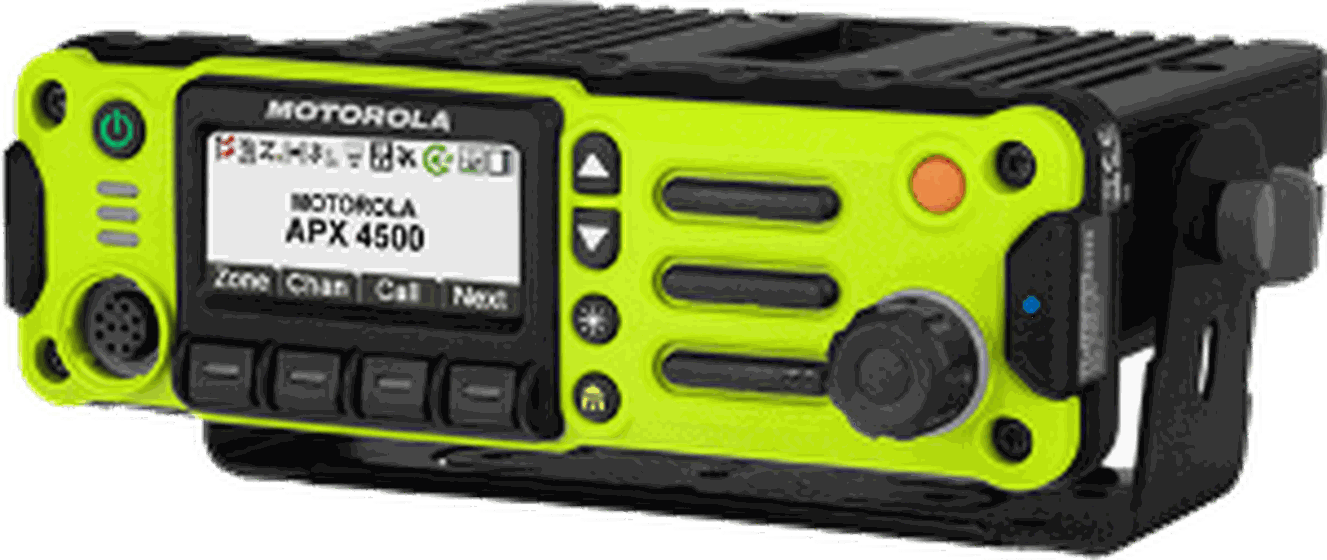
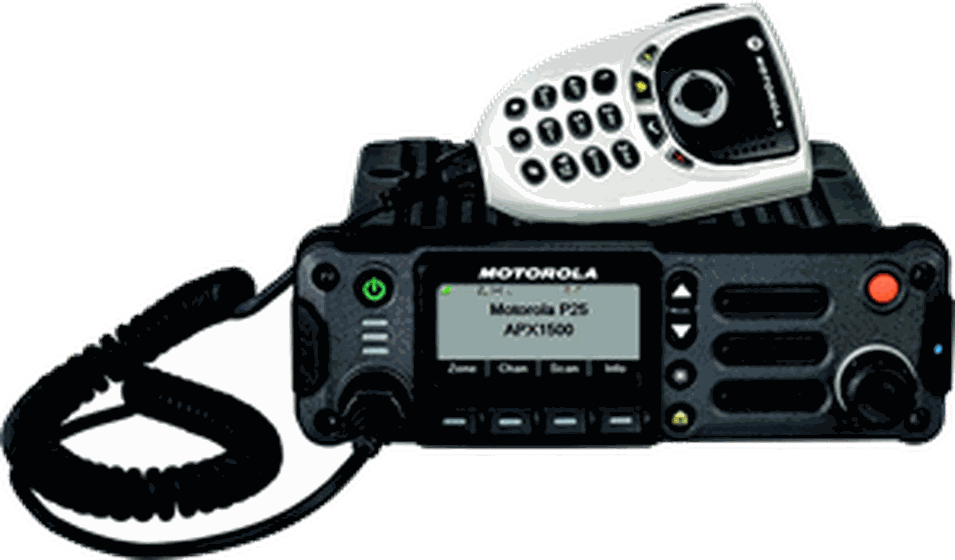
A mobile radio puts far more power behind a transmission than a handheld can manage, which is what keeps a vehicle in contact at the edge of a coverage area.

We specify, install and maintain mobile radios in apparatus, patrol vehicles and fleet trucks, including the antenna work that decides whether the install actually performs.

What Matters Here

Higher Power

Transmit power well beyond a handheld, for range at the edge.

Proper Installs

Mounted, wired and antenna-matched rather than simply fitted.

Clear Control Heads

Controls readable and usable while the vehicle is moving.

Secure by Default

Encryption so radio traffic is not open to anyone scanning.

Fleet Visibility

GPS reporting so dispatch knows where every vehicle is.

Serviced Here

Repair, programming and maintenance handled by our own technicians.

From Quote to Installation

Five steps, in order, with a document at the end of each one. The install is planned around the vehicle, not forced into it.

  1. 1NeedsWe learn which vehicles need a radio, how they are used and what each one must reach, before any model is named.
  2. 2TiersCommand vehicles, line units and support vehicles get the tier each one needs, not one radio for the whole fleet.
  3. 3ProgramTalkgroups, zones, encryption and emergency behavior designed, written down and reviewed with you.
  4. 4InstallControl head placement, power, antenna and cable routing surveyed per vehicle type, then installed and tested.
  5. 5SupportFirmware kept current, loaner units for vehicles in the shop and repairs by our own technicians under agreement.

The Models We Supply

Each of these has a page of its own with specifications, use cases and a quote request.

Standards We Build To

Why it matters

A mobile is only as dependable as the standards it was built and installed to.

These are the ones that matter when a radio lives in a vehicle for ten years. Every fleet we supply is specified against them, so your purchase file and your grant application start from paper that already exists.

How we design systems
  • P25P25 CAP testedCompliance Assessment Program testing, so the radio works on your system and your mutual aid partners' systems.
  • MILMIL-STD-810Shock, vibration and temperature testing to the military standard, for radios that ride in a truck every day.
  • NFPANFPA 1901 and 1917Apparatus and ambulance standards that govern where equipment mounts and how it is powered and secured.
  • SAESAE and vehicle wiring practiceFused, properly gauged power from the right point in the vehicle, so the radio works and nothing else stops working.
  • AESAES-256 encryptionFederal grade encryption on the talkgroups that need it, with keys managed rather than set once and forgotten.
  • FCCFCC Part 90 type acceptedEvery radio we supply is type accepted for the bands your license covers, so the fleet is legal on day one.

What Drives the Price

Two vehicle fleets of the same size can be priced far apart. These are the choices that move the number, and we walk through each one with you.

Tier

Model and band

All-band mobiles with dual control heads cost several times a single-band value model. Matching the tier to the vehicle is where the savings are.

Options

Encryption and features

AES encryption, GPS, Bluetooth and LTE are licensed features. We enable what the vehicle needs and leave the rest off the quote.

Install

Vehicle and installation

Antennas, remote mounts, dual heads and the labor to do it cleanly vary by vehicle, and they are the part people forget to budget.

Common Questions

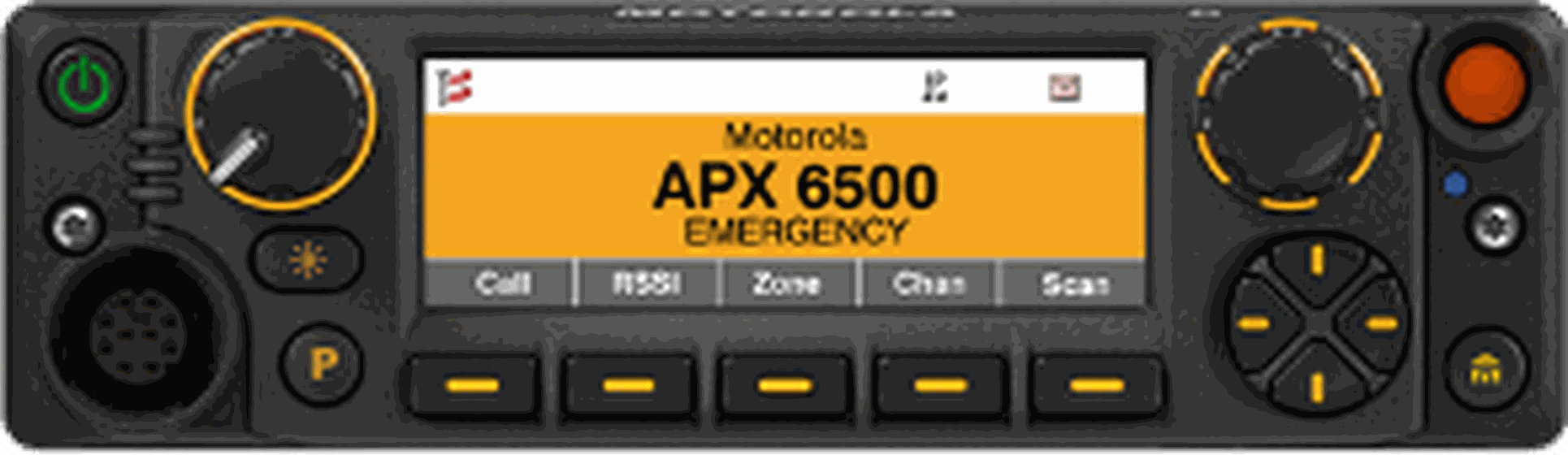
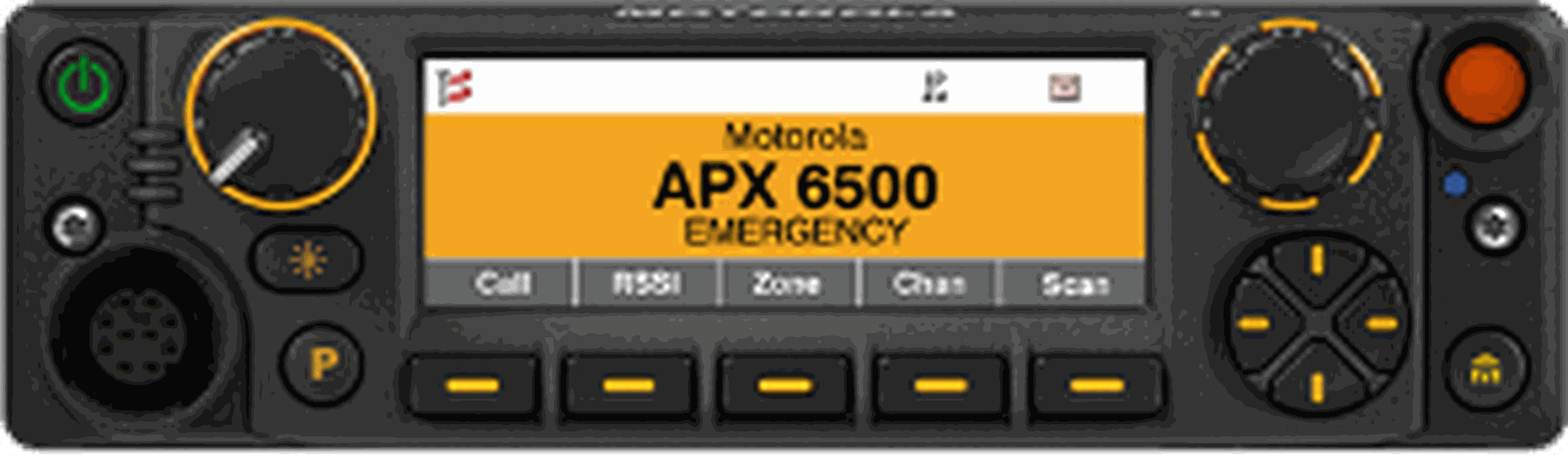
The APX 6500 for most, with all-band APX 8500 fitted only in the vehicles that genuinely cross systems. The cost difference across a fleet is not trivial.

Yes. Remote and trunk mounting put the radio body away and leave only the control head in the cab, which is standard in a modern patrol vehicle now.

We survey the vehicle first. Space behind a modern dash is usually already full, which is why compact models and remote mounting exist in the range.

As much as the radio does. If a driver cannot change talkgroup without looking away from the road, the install has created a safety problem of its own.

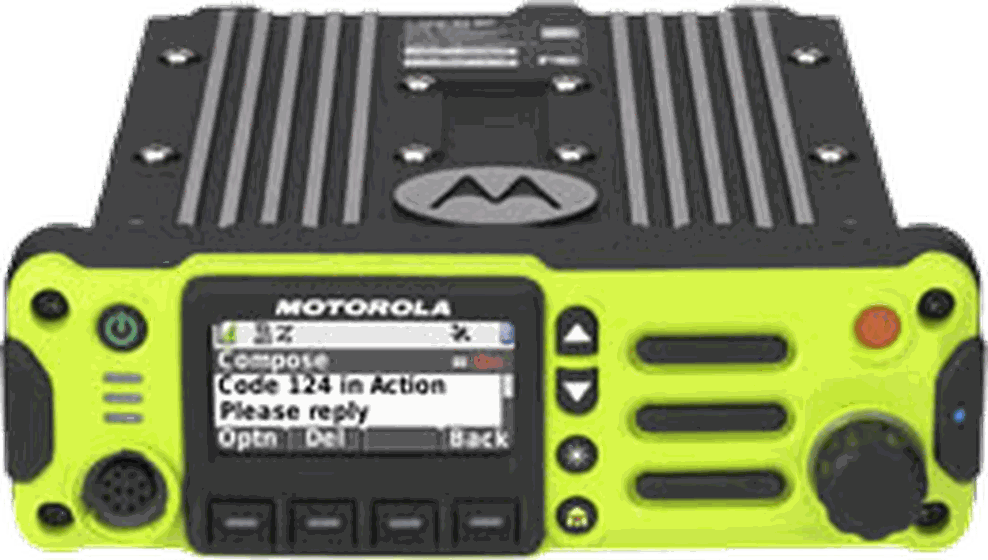
Yes. A dual head installation lets a driver and a crew member both operate the radio, which suits apparatus and any two-position response vehicle.

Related Services

Equipping an Agency?

Tell us what you run today and what it has to do. We will design around it rather than around a catalog.