What We Specify
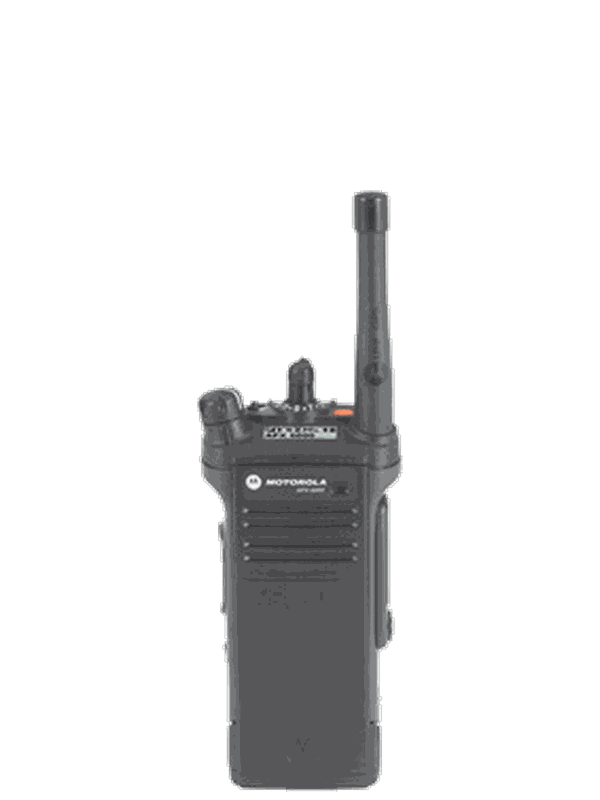
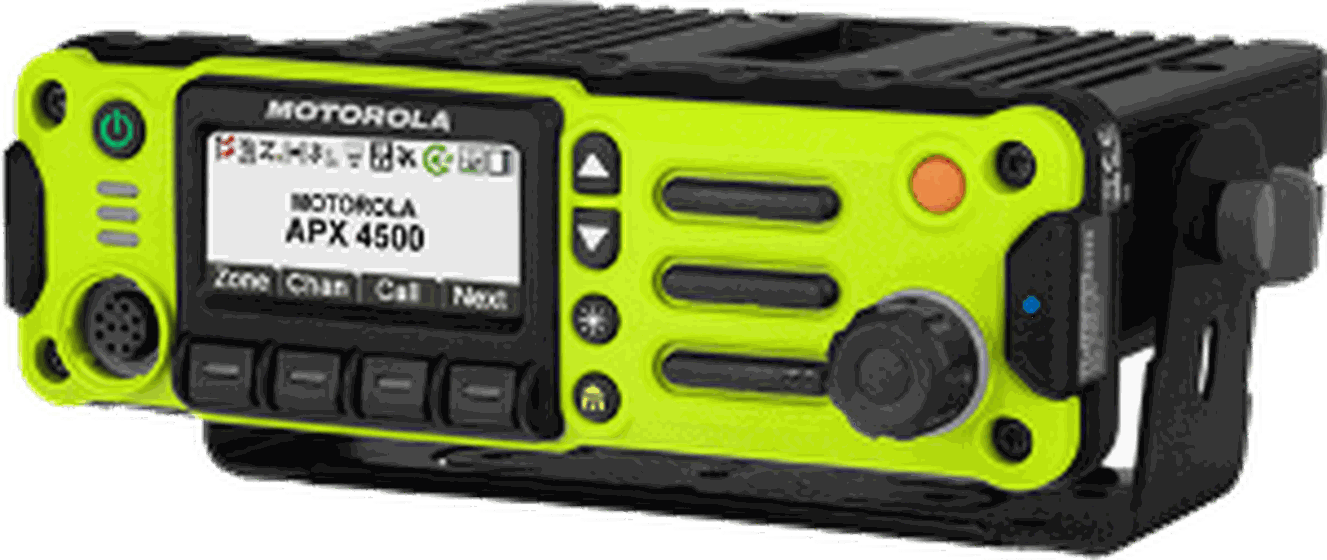
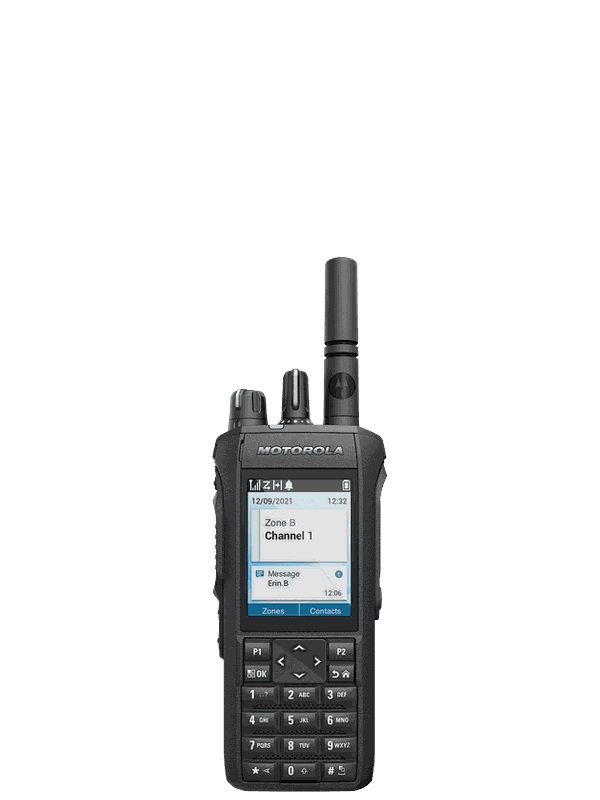
The equipment we most often put in front of this kind of agency. Each has a page of its own.
A clean link from the unit to dispatch to the receiving hospital, built to hold up on the night everything happens at once.
An EMS crew is talking to three places at once: dispatch, the hospital they are inbound to, and the other units on scene. When any one of those links breaks the handover slows down, and the patient is the one waiting.
We build the systems that tie those together and maintain them under agreement, so they are working on the night they matter. That includes the hospital end of the link as well as the ambulance, because both halves have to work.
An inbound unit has to reach the receiving department, which usually means pushing coverage into a building that resists it.
A lapel microphone or a headset keeps a crew in contact while both hands stay where the clinical work actually is.
The receiving team should know what is arriving before the doors open, which is a communications problem before a clinical one.
On the night everything happens at once the system has to carry the traffic rather than queue it up behind itself.
Five steps, in order, with a document at the end of each one. The hospital end of the link is part of the job, not an afterthought.
The equipment we most often put in front of this kind of agency. Each has a page of its own.
These are the ones that govern EMS radio and the hospital coverage it depends on. Every system we hand over is documented against them, so inspections and funding requests start from paper that already exists.
How we design systemsMost of the EMS radio systems we build are not paid for out of an operating budget. These are the paths agencies usually take.
AFG funds radios and communications equipment for fire-based and nonaffiliated EMS organizations, career and volunteer alike.
State Homeland Security and Urban Area Security programs fund interoperable communications, usually through your county or state agency.
Capital plans, hospital district funding and multi-year equipment leases, which spread a fleet replacement across the years it serves.
Tell us what you run today and what it has to do. We design around that rather than around a catalog.