The Range
 Encryption
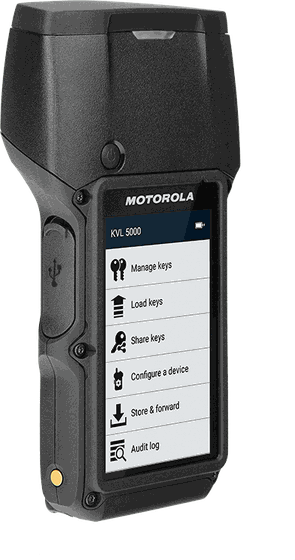
Key Management
Encryption keys generated, loaded, rotated and tracked, so secure operation never depends on one person remembering.
Specifications
- Key generation and loading
- Key loading equipment and process
- Scheduled rotation
- Records kept for audit
- Over-the-air rekeying where available
 Structure
Fleetmapping
The talkgroup and zone structure designed around how the agency actually operates, then maintained as it changes.
Specifications
- Zones and talkgroups designed
- Built around real workflows
- Mutual aid channels included
- Consistent across the fleet
- Maintained as the agency changes
 Operations
System Management
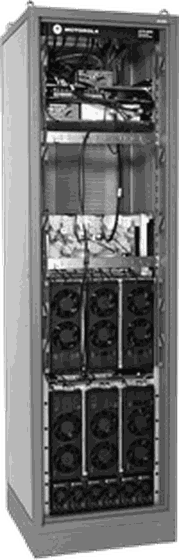
The server and management infrastructure behind the system, built, configured and kept current by us.
Specifications
- System management servers
- User and radio administration
- Firmware and configuration control
- Over-the-air programming
- Access controlled by role
 Mutual aid
Interoperability
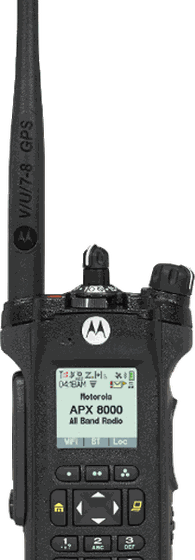
Shared channels, patching and procedures agreed and tested, so mutual aid works on the day rather than in theory.
Specifications
- Shared and mutual aid channels
- Patching procedures documented
- Cross-system bridging
- Tested rather than assumed
- Agreed with partner agencies
 Evidence
Recording and Reporting
Logging infrastructure plus the reporting that lets a chief see how the system is actually being used.
Specifications
- All channels logged
- Searchable and exportable
- Retention to your policy
- Usage and coverage reporting
- Supports review and training
 Assurance
Coverage Testing
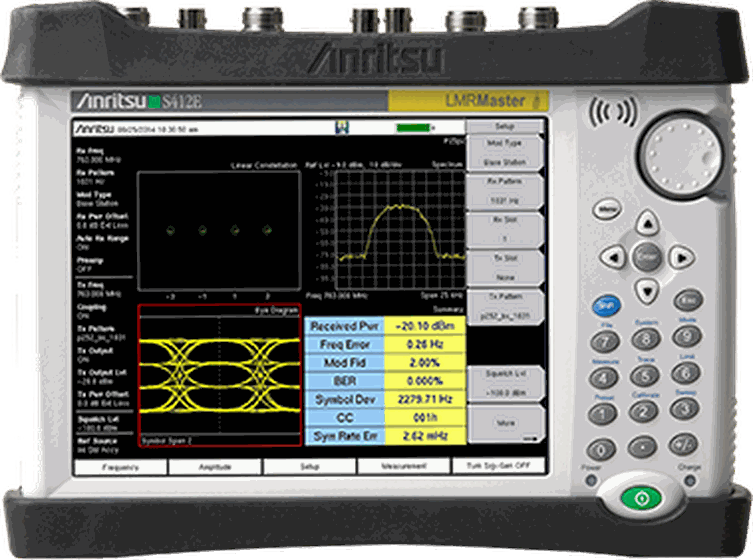
Periodic coverage testing so you know where the system reaches now, not where it reached when it was commissioned.
Specifications
- Drive testing across the area
- In-building coverage checks
- Results documented and mapped
- Gaps identified with options
- Repeated on a schedule