What We Specify
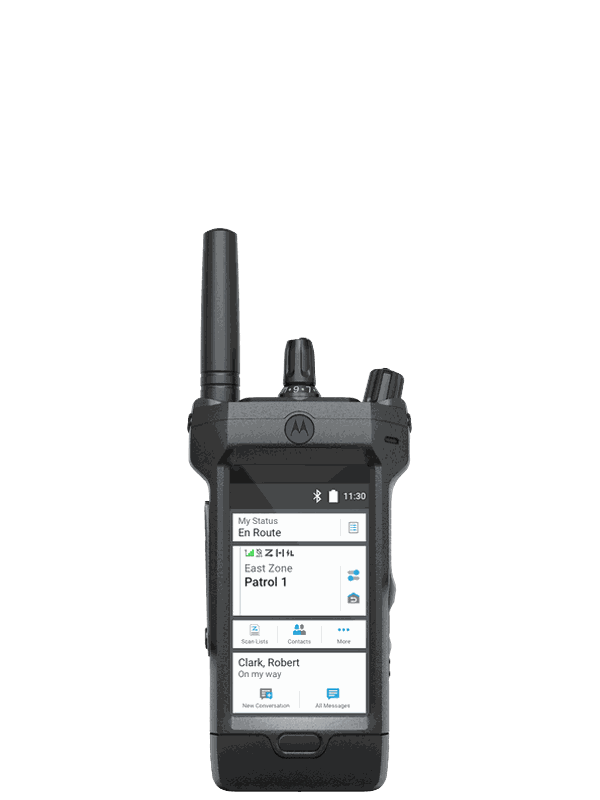
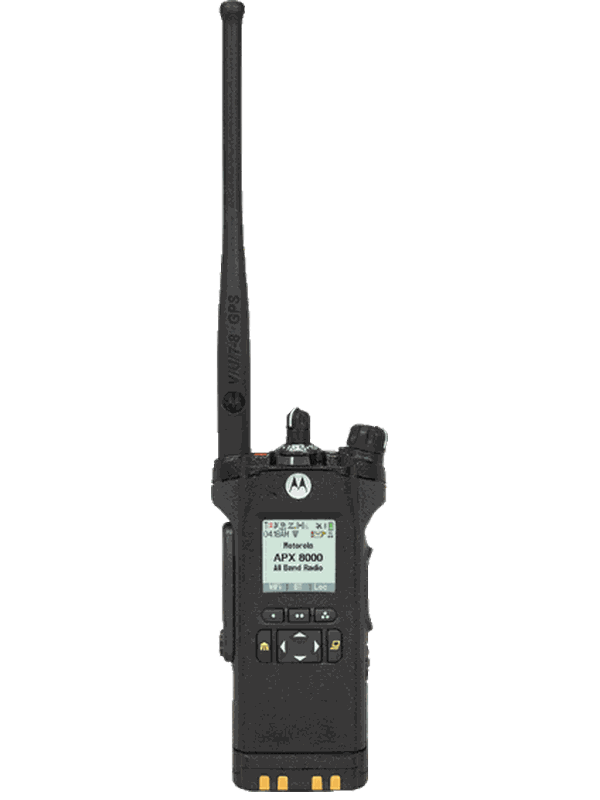
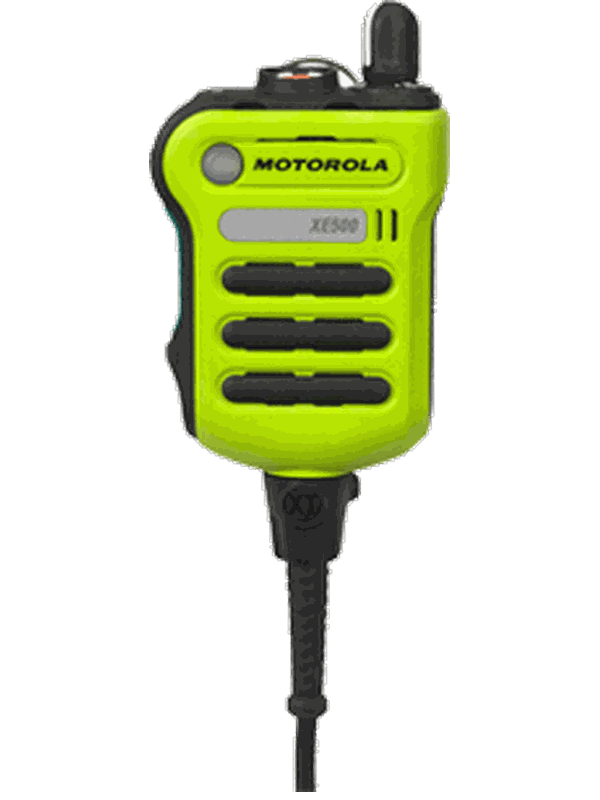
The equipment we most often put in front of this kind of agency. Each has a page of its own.
Radios that work inside the structure, coverage the fire marshal can certify, and an engineer on the phone at 3am.
Fireground communication fails in the places that matter most: inside a structure, below grade, behind concrete and steel. A radio that works in the parking lot and not on the third floor is the problem we are most often called in to solve.
We design, install and maintain the systems fire and rescue agencies depend on, from the portables carried into a building to the in-building coverage that makes them work once they are inside. Every system we build has 24/7 response behind it.
A transmission from beside a running pump, under SCBA and inside a structure has to arrive understandable the first time.
Concrete, steel and below-grade floors defeat ordinary coverage, which is exactly where a fireground crew ends up working.
Controls have to be found and turned with a gloved hand, which is why extreme-duty housings exist and get specified.
Who is inside, on which talkgroup and whether their radio is still transmitting is a command question with a real answer.
Five steps, in order, with a document at the end of each one. No step is skipped because a sales quarter is closing.
The equipment we most often put in front of this kind of agency. Each has a page of its own.
These are the ones that govern fire service radio. Every system we hand over is documented against them, so the next inspection and the next grant application start from paper that already exists.
How we design systemsMost of the fire radio systems we build are not paid for out of an operating budget. These are the paths departments usually take.
The AFG program funds portable and mobile radios, in-building coverage and interoperability equipment for career and volunteer departments.
State Homeland Security and Urban Area Security programs fund interoperable communications, usually through your county or state agency.
Capital plans, fire assessment revenue and multi-year equipment leases, which spread a fleet replacement across the years it serves.
Tell us what you run today and what it has to do. We design around that rather than around a catalog.