What We Specify
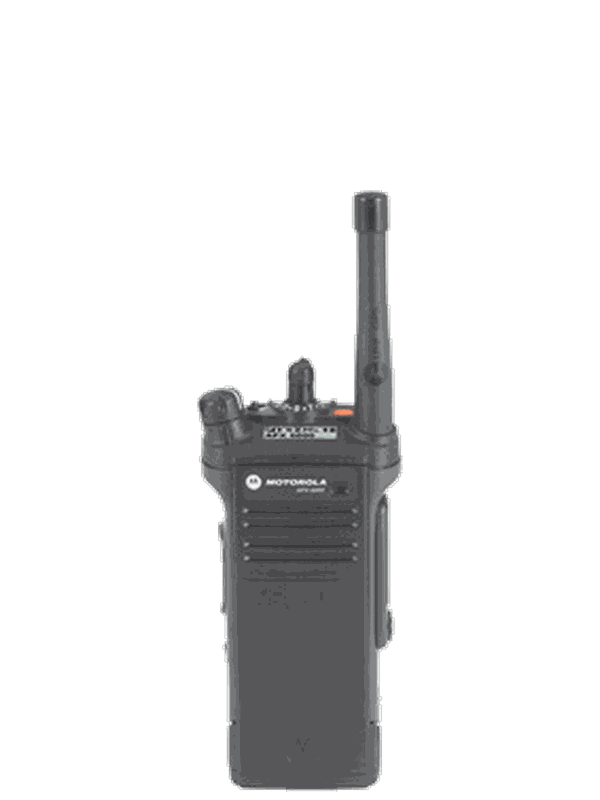
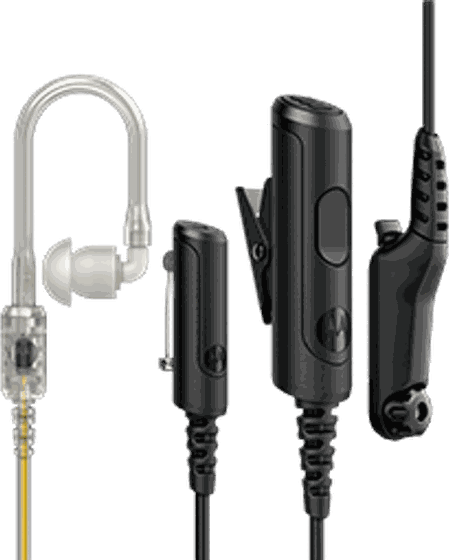
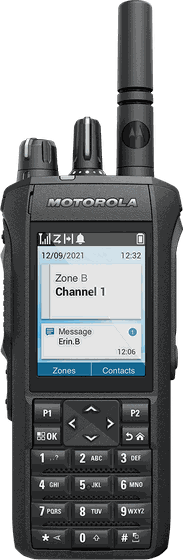
The equipment we most often put in front of this kind of agency. Each has a page of its own.
Coverage inside a building designed to block it, duress alerts that reach a control room, and an engineer on call around the clock.
A correctional facility is a building designed to contain people, which makes it a building that also, by accident, blocks radio. Reinforced concrete, steel doors and long internal corridors all work against coverage in the same way.
That matters more here than almost anywhere, because an officer calling for assistance on a unit has no second option. We design coverage to reach every part of a facility and we maintain it under agreement rather than on request.
Reinforced concrete and steel defeat ordinary coverage, and a dead corridor is a place staff simply cannot call from.
An emergency button has to reach a control room instantly, with a location, and reach a person who is actually watching.
Equipment is handled hard, carried every shift and occasionally used in a struggle, and it has to survive all of that.
Traffic is logged and searchable, which matters for review, for training and for any inquiry that follows later.
Five steps, in order, with a document at the end of each one. Security clearances and escort schedules are planned in, not worked around.
The equipment we most often put in front of this kind of agency. Each has a page of its own.
These are the ones that govern corrections radio and the in-building coverage it depends on. Every system we hand over is documented against them, so audits and funding requests start from paper that already exists.
How we design systemsMost of the corrections radio systems we build are not paid for out of an operating budget. These are the paths facilities usually take.
Justice Assistance Grant and Bureau of Justice Assistance programs fund officer safety and facility communications equipment.
State Homeland Security and Urban Area Security programs fund interoperable communications, usually through your county or state agency.
County and state capital plans, inmate welfare funds where permitted and multi-year leases that spread the cost across its life.
Tell us what you run today and what it has to do. We design around that rather than around a catalog.